7 common mistakes when using carpet cleaning chemicals
Chemical choices shape soil removal, drying time, and the long term appearance of carpet. In practice, carpet cleaning chemicals work best when they are selected for the fiber type and used with controlled dilution and rinsing. A consistent plan also protects equipment and helps new technicians follow the same standards on every account. Standard steps also reduce rework because every room receives the same dwell and rinse timing. This article highlights seven common mistakes crews make and explains how to avoid them with simple steps. You will learn how dwell time, temperature, and agitation interact, and why neutralization matters after heavy prespray. The guide also covers documentation and training so results stay consistent across locations. With a clear process, teams reduce residue, prevent rapid resoiling, and protect warranties.
Mistake 1: carpet cleaning chemicals used without a process
A process keeps chemistry aligned with soil type and fiber construction. Without testing and documentation, carpet cleaning chemicals can leave residue or lighten dyes in high traffic lanes. Start by identifying fiber type and checking for colorfastness on a hidden edge. Choose a neutral or mild alkaline option based on the soil, then confirm dwell time before agitation.
Process also means tracking ratios and temperature. If water is too hot, detergents can become aggressive and leave sticky residue. If the mix is too weak, soil remains and technicians compensate with heavy scrubbing. A consistent checklist prevents these swings and helps teams repeat good results across large sites.
Mistake 2: skipped setup and unclear process
When teams rush, carpet cleaning chemicals are more likely to create damage or callbacks. The most common errors in rushed setups are:
- Skipping a fiber test before prespray.
- Overusing commercial carpet cleaning chemicals on lightly soiled areas.
- Letting solutions dry before extraction.
- Using too much pressure and fraying the pile.
- Mixing products that should not be combined.
- Ignoring rinse steps on sticky residues.
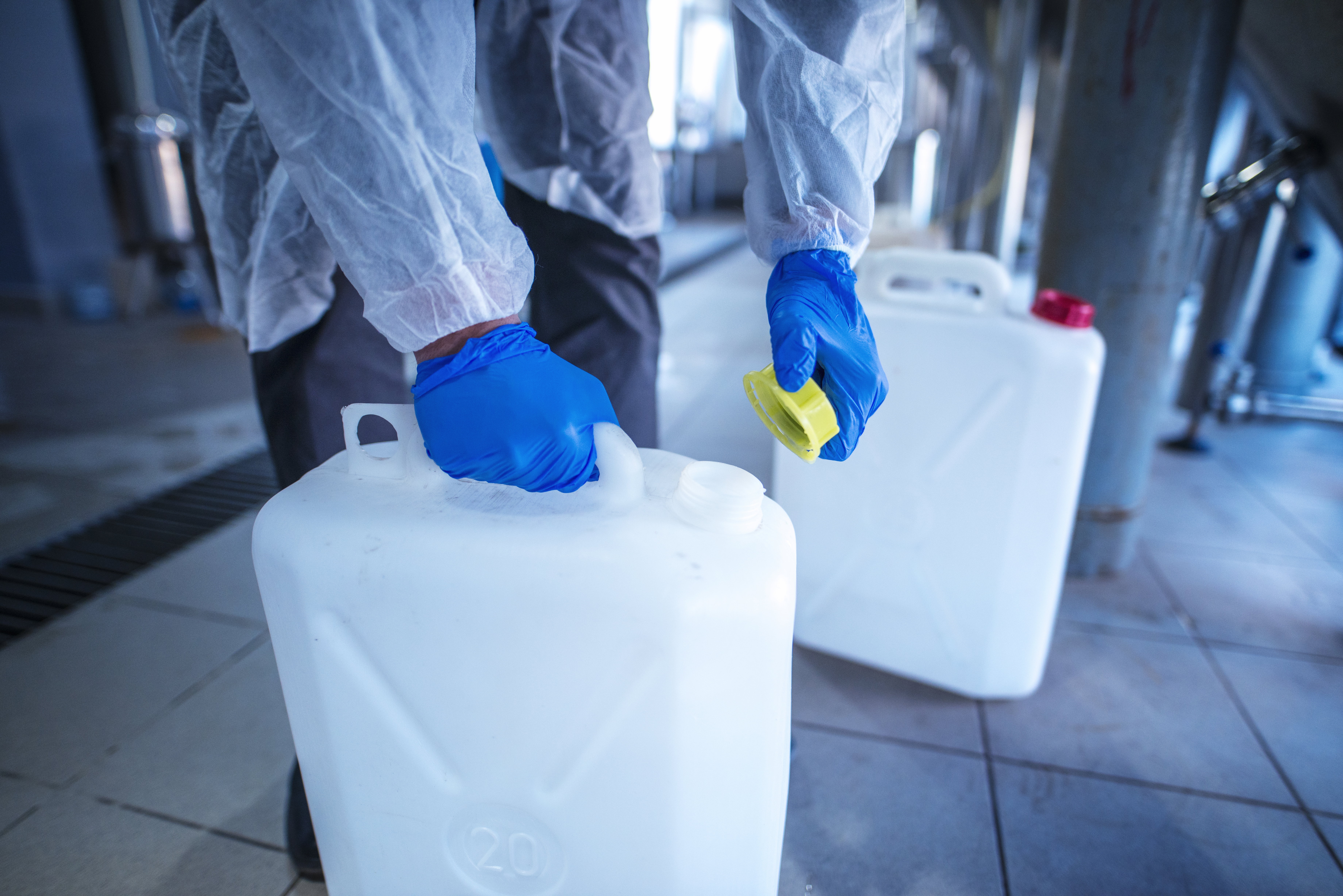
- Storing containers in hot vehicles where formulas break down.
These mistakes increase residue, odor, and rapid resoiling. A short pre job checklist and clear labels reduce errors and keep crews focused. They also extend drying time and reduce appearance in high traffic lanes. Avoiding them improves customer trust and keeps maintenance schedules on track.
Mistake 3: wrong dilution, dwell time, or agitation
Dilution control is critical for carpet cleaning chemicals because concentration drives safety and soil release. Match dwell time to soil load and temperature so the solution stays active without drying. Use carpet cleaning equipment that delivers even spray coverage and stable pressure across the pass. This keeps chemistry consistent from the first row to the last. Keep notes on ratios for each account so technicians do not guess. Use pH test strips occasionally to confirm that mixed solution stays within target range. Calibrated sprayers and consistent tip sizes keep application rates steady across crews. Do a quick check of spray pattern at the start of each shift to avoid striping.
Agitation should lift soil without shredding fibers. Pair the prespray with carpet cleaning wands that glide smoothly and maintain steady contact. Short, overlapping strokes reduce streaks and prevent uneven wetting. Slow down on pivots and edges where overspray can build up. If agitation is needed, use a soft brush and limit passes in delicate lanes. Brushes should be soft enough to protect pile direction but firm enough to release embedded soil. This keeps the main cleaning step efficient and reduces the need for heavy rinsing.
Mistake 4: poor rinsing and residue control
Rinsing is the final control point for carpet cleaning chemicals. A carpet cleaning extractor with strong recovery pulls solution from the backing and reduces drying time. Keep the rinse water slightly acidic when needed to neutralize alkaline prespray and stabilize dyes. Slow passes with steady suction prevent over wetting. Post rinse grooming evens the pile and helps airflow reach the backing.
Carry carpet cleaning accessories like spray tips, neutralizer packets, and filter bags so the rinse step does not stall. If residue remains, a second light rinse is better than heavy scrubbing. Groom the carpet after rinsing to align fibers and promote even drying. Set fans along traffic lanes and keep HVAC running to maintain steady humidity. Document the rinse method in job notes so follow up visits stay consistent. Proper rinsing protects indoor air quality and reduces sticky feel underfoot.
Mistake 5: skipping field testing and stain assessment
Before applying solutions, inspect traffic lanes, spots, and backing condition. Identify food, oil, or dye stains and decide whether a dedicated spotter is needed. Test a small area for color stability and texture change, then choose the mildest option that still releases soil. Note the age of the carpet and any prior treatments, because protectants and dyes can react differently. Note traffic patterns and entry points because they influence soil load and dwell needs. Document results with a photo and short note so the team can repeat the approach on future visits. Share these notes with the client when unusual stains may require return visits or specialized treatment. This keeps expectations realistic and prevents confusion about what can be removed.
Spot treatments should be applied with control and patience. Work from the outside of the stain toward the center to prevent rings, and blot excess moisture rather than scrubbing. Allow spotters to dwell, then rinse lightly so residues do not attract new soil. If a stain responds slowly, repeat gentle passes instead of raising temperature or pressure. Clear documentation of what was used and how it performed helps supervisors guide training and keeps expectations realistic.
Mistakes 6-7: storage, labeling, and training gaps
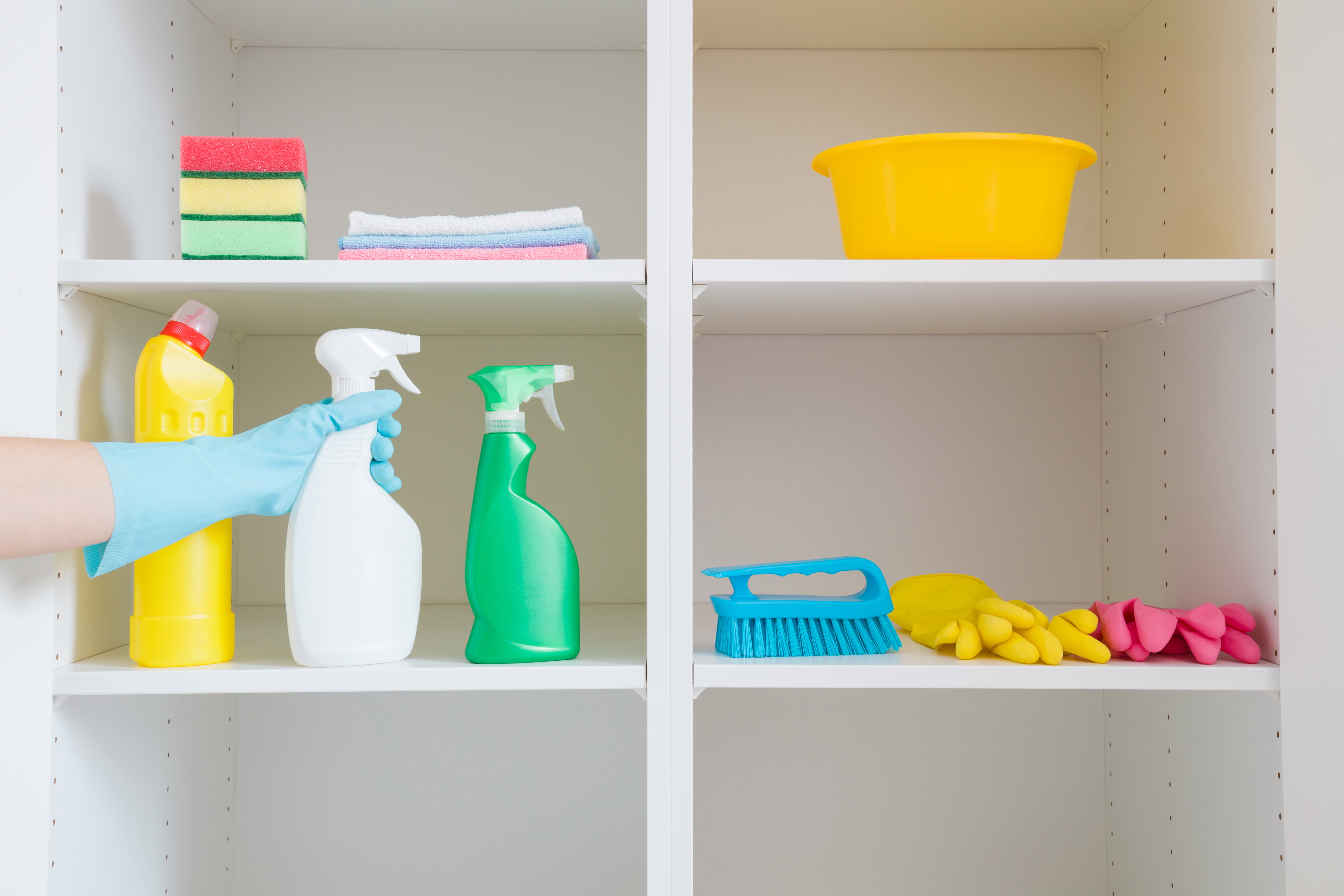
Storage practices keep formulas stable and safe. Keep professional cleaning chemicals sealed, labeled, and away from heat. Use first in, first out inventory so older stock is not left in the warehouse. Store measuring cups and PPE in the same area so technicians do not improvise or reuse dirty containers. Clear signage on shelves helps prevent product swaps. Train crews to read labels and understand compatibility before mixing.
Training also covers documentation and customer communication. Clear notes about dilution ratios and dwell time help new technicians match results. Include a short checklist for spotting, rinsing, and grooming so steps are not skipped on busy nights. Review safety data sheets during onboarding and after any product change. A brief refresher at seasonal turnover keeps the team aligned and reduces mistakes.
Conclusion
Chemistry delivers strong results when it follows a repeatable process. When carpet cleaning chemicals are selected carefully, mixed correctly, and rinsed fully, crews avoid residue, odor, and fiber damage. Build a simple checklist that covers testing, dilution, dwell time, and rinse steps, then track results across sites. Consistent records help supervisors spot issues early and keep warranty requirements intact. This approach keeps crews efficient and clients confident. If you need help choosing formulas or matching them to your equipment, contact NCBC Equipment for guidance on products that fit your service mix.
FAQ
How should carpet cleaning chemicals be mixed on site?
Follow label ratios and use clean measuring tools. Accurate mixing prevents residue and fiber damage.
When should products be rinsed out?
Rinse after the proper dwell time and agitation. This prevents sticky residue and rapid resoiling.
What is the safest way to store these products?
Seal containers, label them clearly, and keep them in a cool area. Proper storage reduces spills and confusion.