5 reasons a portable carpet extractor boosts cleaning efficiency
Route based cleaning demands equipment that is easy to move without sacrificing performance. A portable carpet extractor gives crews mobility, quick setup, and reliable recovery for smaller jobs or tight spaces. This article explains five reasons the unit boosts cleaning efficiency and how to choose features that reduce fatigue and downtime. You will learn how tank size and vacuum lift affect dry times, how heat options change soil removal, and what maintenance keeps suction steady. The guide also covers accessory planning for stairs and upholstery, plus workflow tips that keep crews moving between stops. With the right setup, teams finish more rooms per day and avoid return visits.
Reason 1: portable carpet extractor fits daily service routes
Mobility matters when crews move between offices, apartments, and retail sites in the same day. Lightweight frames, compact footprints, and onboard cord storage make transport easier and reduce setup time. A unit that fits in a small vehicle can expand the number of jobs a team can take without renting extra trailers. It also reduces fatigue because operators do not fight bulky equipment at every doorway. Smaller footprints protect elevators and reduce wall damage during transport. Built in wheels and balanced handles lower strain on stairs.
Route planning improves when equipment is easy to stage. Keep hoses and wands organized so loading and unloading takes minutes, not hours. When setup is simple, crews can focus on cleaning quality rather than moving gear. Label hose lengths and cord runs so setup is repeatable at each stop. Route notes help standardize setup in repeat locations. Keep a small cart for tools so crews avoid extra trips.
At-a-glance efficiency benefits
In daily work, portable carpet extractor performance saves time on smaller jobs because it reduces setup and clean up delays. Here are five reasons teams rely on portable extractors for efficient work:
- Quick setup lets crews start cleaning within minutes.
- Compact size fits into elevators and tight corridors.
- Separate solution and recovery tanks reduce refill stops.
- Strong vacuum lift shortens dry time between passes.
- Simple controls reduce operator errors on fast paced days.
These benefits add up to more completed rooms per shift and fewer delays between appointments. Shorter setup reduces customer disruption in occupied spaces. Faster turnaround leaves time for post inspection and touch ups. Crews can also carry fewer tools when the unit is properly configured. Less downtime also improves customer satisfaction in busy commercial spaces.
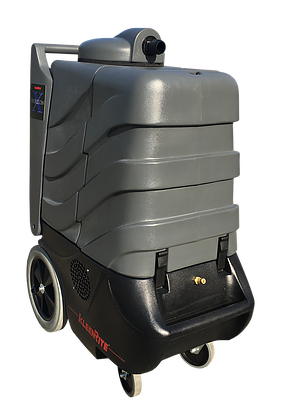
Reason 2: choose capacity, heat, and recovery rates
Capacity and recovery rates determine how well a portable carpet extractor handles steady workloads. Consider how often the unit is lifted into vehicles and choose tank sizes that balance weight. Compare solution tank size with recovery tank size so the machine does not pause too often for dumping. A carpet cleaning extractor with strong vacuum and stable heat lifts soils faster and leaves less moisture behind. Higher recovery allows quicker passes without leaving pools. If you also serve larger spaces, a commercial carpet extractor can complement the portable unit by covering open areas while the smaller unit handles edges.
Check hose length limits and pump ratings so pressure stays consistent at the wand. Monitor pressure gauges to spot clogs early. Inspect hoses for kinks that reduce flow. Use quick test passes to verify spray pattern before starting. If heat is included, confirm warm up time and thermostat control to avoid overheating delicate fibers.
Reason 3: staging workflow and on site setup
Efficient jobs start before the unit comes off the truck. Walk the space, note fiber type, traffic flow, and any areas that need extra protection. Pre vacuuming removes dry soil so extraction focuses on embedded grime rather than loose debris. Place corner guards and plastic tabs where needed so hoses do not scuff walls or furniture legs. Stage tools near the work zone so technicians are not walking back and forth to the vehicle. Set up a simple order of operations, such as entry areas first, then open rooms, then detail work, so the path stays clear.
Power planning matters in older buildings. Confirm outlet locations and avoid daisy chaining cords that can trip breakers. Keep cords along baseboards and mark crossings with tape to protect occupants. If noise is a concern, schedule the loudest passes during off hours and communicate a short timeline to the client. Capture before and after photos or a short checklist so results are easy to confirm. A repeatable setup keeps jobs calm and reduces last minute changes. Assign a lead tech to keep the checklist moving. Clear signage keeps occupants informed and reduces interruptions during busy hours.
Reason 4: handle upholstery and tight spaces efficiently
Detail work requires tools that fit into corners and along edges. A portable carpet extractor can be paired with a hand tool to clean seats, cubicles, and entry mats without dragging bulky gear. For delicate fabrics, an upholstery extractor with controlled flow prevents over wetting and protects seams. A professional carpet extractor can still be the primary unit on larger rooms, while the portable model handles touch up work and stair landings. Use soft bristle tools on delicate fabrics to avoid fuzzing. Keep airflow low on cushions to prevent over saturation.
Use short passes and steady strokes to avoid wick back. Keep towels on hand to blot overspray and protect baseboards. Clean hose cuffs often so airflow stays steady in small spaces. Rotate cushions to dry evenly and reduce odor. Use fans after cleaning to speed drying in tight corners.

Reason 5: maintenance, chemicals, and accessories planning
Daily care keeps a portable carpet extractor ready for the next stop. Empty recovery tanks, rinse filters, and inspect gaskets so suction stays strong. Use carpet cleaning chemicals that rinse clean and do not leave residue that can clog jets. Keep spare parts, spray tips, and carpet cleaning accessories on the truck so small failures do not delay a job. Keep spare seals and quick connect fittings to avoid downtime. Check cord strain reliefs to prevent electrical issues.
Schedule a deeper clean each week to flush lines and remove buildup from tanks. Consistent maintenance reduces odors and extends pump life. Replace filters on schedule to keep suction steady. It also protects upholstery tools from sticky residue. Flush the system with clean water after heavy soil jobs. Store tools dry to prevent mildew.
Conclusion
A portable carpet extractor is a smart choice for teams that value speed, access, and consistent results on smaller jobs. When the unit is sized correctly and maintained on a schedule, it shortens setup time and improves drying efficiency. Pair it with the right chemicals and accessories, and train crews on steady technique to protect fibers. If you need help comparing models or building a kit for route work, contact NCBC Equipment for guidance on configurations that match your service volume.
FAQ
When is a portable carpet extractor the right choice?
It works well for route work, tight access, or smaller rooms. Portability keeps setup and teardown fast.
How should the unit be staged on site?
Keep hoses short, power secure, and tanks easy to access. This reduces downtime between refills.
What daily care keeps it reliable?
Rinse tanks and check filters after each job. Small checks prevent clogs and loss of vacuum.