3 ways upholstery tools help professionals avoid fabric damage
Fabric damage during cleaning usually comes from too much moisture, rough agitation, or poor tool match. Professional upholstery tools are designed to control these risks while still removing soil. This article explains three practical ways the right tools protect fabric and how to choose setups that keep seams, dyes, and pile safe. You will learn how glide material, spray patterns, and vacuum recovery influence drying and shrinkage. The guide also covers handling techniques that protect delicate textiles and how to plan accessories for tight corners. Pre inspection and dry soil removal also play a role, because grit can abrade fibers before moisture is introduced. Planning the workflow upfront keeps pressure, dwell time, and drying consistent across the whole piece. With a consistent process, teams reduce callbacks and keep furniture looking uniform across repeat visits.
Way 1: upholstery tools protect delicate fabrics
Different fabrics respond to pressure, heat, and moisture in different ways. For delicate fabrics, upholstery cleaning tools are built to distribute spray evenly and limit over wetting, which protects dyes and backing. When a technician uses the correct jet size and spray angle, soil is lifted without forcing water through the cushion core. That control prevents browning and shrinkage on natural fibers. It also reduces the risk of hard lines on velvet or delicate weaves.
Tool weight and glide material matter as much as chemistry. A smooth glide prevents friction burn while still allowing steady contact with the surface. Controlled agitation lifts soil from the top of the pile instead of grinding into the base. These details explain why upholstery tools are preferred for delicate fabrics. Proper technique also protects decorative stitching and piping that can fray under aggressive passes.
Support: three ways at a glance
Teams rely on upholstery tools because a balanced setup prevents the most common forms of damage. The three most important protections are:
- Controlled moisture delivery that limits over wetting and shrinkage.
- Consistent vacuum recovery that removes dirty solution before it dries in place.
- Stable glide contact that protects texture while still releasing soil.
These steps work best when the tool is matched to fabric type and soil level. Use a short test area to confirm colorfastness before committing to large sections. Adjust pressure and temperature after the test so the rest of the piece stays uniform.
Way 2: control moisture and recovery during extraction
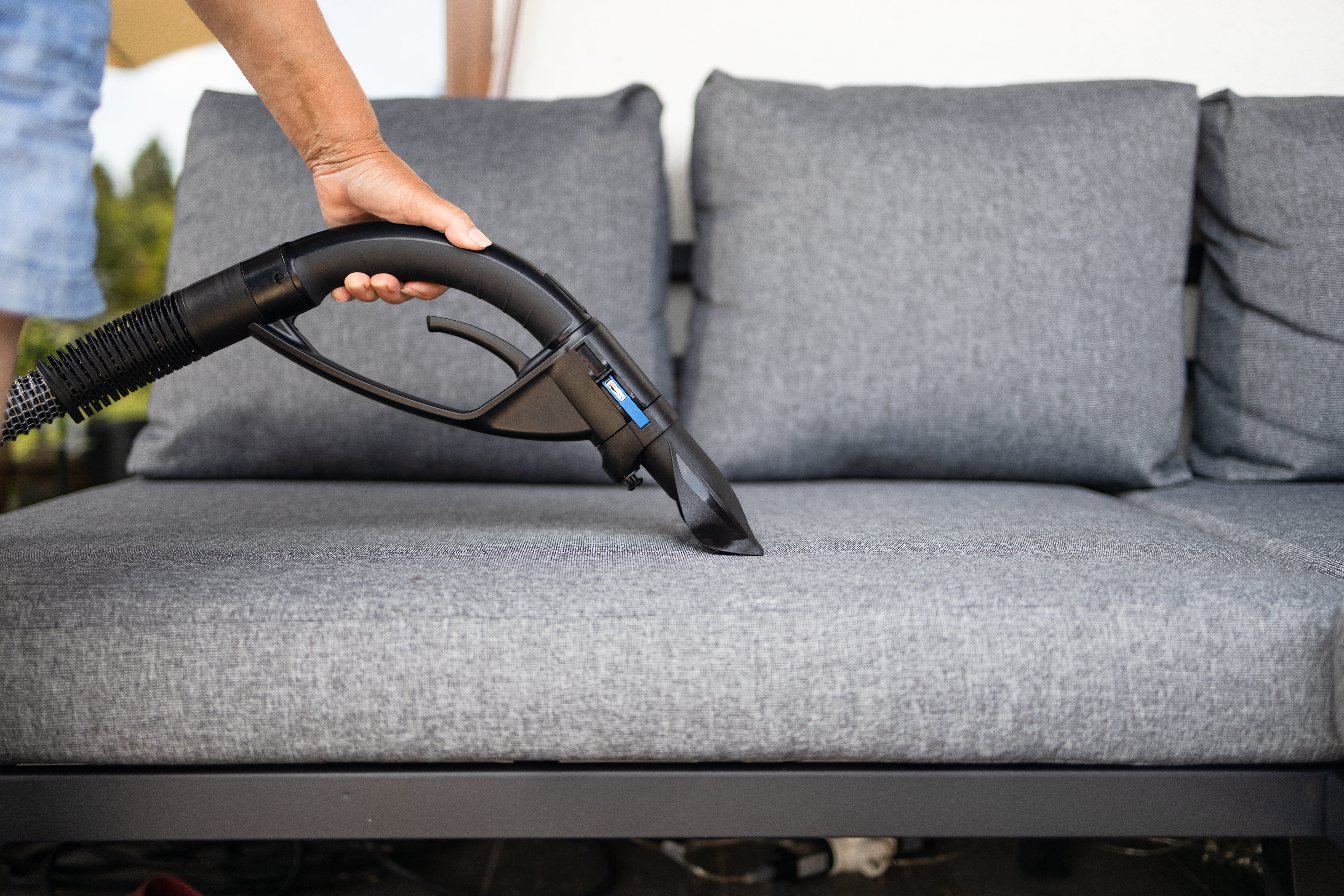
Moisture control starts with matching airflow and vacuum to the fabric. An upholstery extractor with strong recovery pulls solution out quickly so the surface does not stay saturated. Pairing the extractor with a well matched upholstery wand keeps spray and suction balanced, which helps prevent wick back after drying. Keep passes slow enough for recovery to keep up, especially on cushions with thick foam. Upholstery Extractors with adjustable vacuum are useful for delicate textiles when moisture must stay low. Over saturation is the fastest path to odor and browning.
After wet passes, follow with two dry strokes to pull out residual moisture. Place air movers to speed evaporation and keep the room at a stable temperature. When upholstery tools are tuned for recovery, crews can clean larger sections without fear of over wetting. This also shortens dwell time so chemical residue does not bond to fibers. Check cushions and seams for dampness before moving to the next piece.
Way 3: technique habits for edges and stairs
Edges, arms, and step areas collect heavy soil but are easy to damage with aggressive strokes. Use a stair cleaning tool on tight corners so pressure stays controlled and the spray pattern does not oversaturate seams. For curved arms, angle the tool slightly and keep strokes short to avoid drag marks. Slow, overlapping passes lift soil without scuffing textured fabrics. Spot test hidden areas before cleaning high visibility sections.
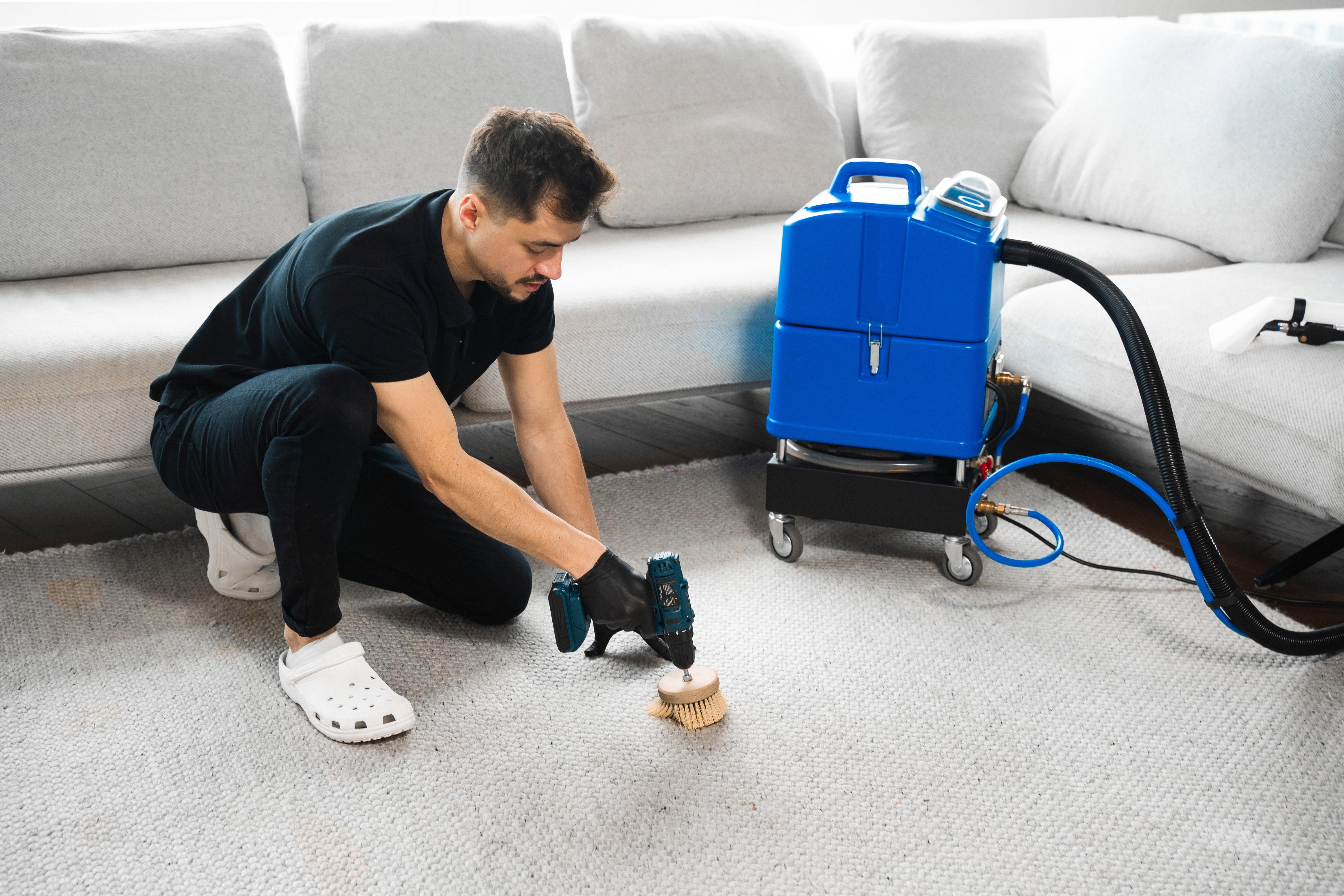
Keep stair tools and edge attachments clean so abrasive grit does not scratch delicate materials. Work from top to bottom on multi level pieces to prevent drips. A light brush step can loosen soil before extraction and reduce the need for excess moisture. If a piece has mixed fabrics, adjust pressure for each panel so the finish stays consistent. Document the approach so the next technician follows the same method.
Support: pre inspection and testing before cleaning
Inspection prevents surprises on delicate fabrics. Check for wear, loose seams, and prior spotting so you can adjust pressure and moisture. Identify fiber type by label or burn test when appropriate, then note any unstable dyes or pre existing damage. Photograph problem areas to document condition and set expectations with the client. Pre vacuuming removes dry grit that can abrade fibers during wet passes. This step also reveals hidden stains that may need special treatment or a slower approach.
A small test patch confirms color stability and how quickly the fabric releases soil. Use mild agitation and monitor for bleeding or texture change. If results are unclear, reduce moisture and switch to a gentler solution before proceeding. Adjust temperature based on the fabric and note any shrink risk on loose weaves. Time the test patch and note how long it takes to reach a dry feel. Use a moisture meter on padded areas to ensure the core is not over saturated before moving on. If the fabric responds slowly, extend dry strokes or reduce spray flow rather than adding more chemistry. Clear notes from the inspection step guide the rest of the job and keep quality consistent across teams. The goal is to prevent surprises and protect the fabric before full cleaning begins.
Support: maintenance and workflow for repeatable quality
Daily maintenance keeps upholstery tools performing the same way on every job. Rinse filters, check spray tips for buildup, and inspect hoses for kinks that reduce vacuum. Replace worn glides so contact remains smooth and even. Consistent maintenance prevents streaks and keeps pressure steady from start to finish.
Workflow matters as much as equipment. Stage towels, tabs, and protectors before starting so you do not rush the finish. Record dilution ratios and dwell times to keep results consistent across locations. A short checklist at the end of the job reduces missed spots and confirms drying status. Communicate care instructions to the client so fabrics stay clean longer.
Conclusion
Fabric safety comes from controlled moisture, gentle agitation, and tools that match the textile. When upholstery tools are selected carefully and maintained daily, crews avoid dye bleed, distortion, and texture loss while still delivering strong soil removal. Combine the right tool setup with slow strokes, careful testing, and clear drying steps to protect every panel and cushion. Documenting results and drying times helps teams refine their process and sets expectations with clients. Clear notes also support insurance and client approvals. If you are building a kit for professional upholstery work, contact NCBC Equipment for help comparing tool options, glides, and accessories that match your service volume.
FAQ
How do upholstery tools reduce fabric damage?
They control moisture and recovery on delicate fibers. Controlled passes prevent overwetting.
What setup steps help tools perform better?
Test a small area, set gentle pressure, and keep strokes consistent. This keeps moisture balanced and reduces risk.
How should tools be maintained between jobs?
Flush lines and wipe heads after each use. Clean tools keep spray patterns even.