3 ways air movers help professionals dry spaces faster
Fast drying keeps projects on schedule after leaks or deep cleaning. For many crews, air movers are the workhorses that push moisture off surfaces so it can be removed by dehumidification and ventilation. This article explains three practical ways these units help professionals dry spaces faster and how to deploy them without wasting power. You will learn how airflow direction affects evaporation, what placement mistakes slow progress, and how to scale equipment as rooms dry. The guide also covers safety checks, monitoring steps, and documentation that protect clients and crews. With a clear plan, drying zones stay focused, readings stay consistent, and teams avoid callbacks caused by hidden moisture.
Way 1: air movers accelerate surface evaporation
Surface moisture leaves materials when air moves across them and lowers the boundary layer. In practice, air movers create that movement so wet drywall, carpet, and subflooring can release moisture at a steady rate instead of stalling. The stronger the air exchange, the faster evaporation can occur, provided humidity is controlled and temperatures stay in range. That is why crews position units to sweep air across wet areas rather than pointing them straight at a wall and hoping for results. The goal is consistent, even airflow that keeps vapor pressure moving in the right direction.
When airflow is balanced, measurements stabilize and drying time becomes easier to predict. Use straight airflow paths along walls and across flooring, then adjust angles to eliminate dead spots. Keep doors and barriers controlled so the drying zone does not leak into adjacent rooms. If the air starts to short cycle, reposition the equipment so the flow crosses wet materials before returning to the intake.
Way 2: faster drying time for crews
These units speed drying because they control how moisture leaves materials and moves into the air. When air movers are staged correctly, crews can remove moisture faster without over drying finishes.
Here are three ways the equipment cuts time on site:
- Water damage air movers strip moisture from carpets and padding so extraction work is more effective.
- They reduce humidity pockets in corners so readings stay stable across the room.
- They keep airflow moving through containment barriers so one zone does not slow another.
Shorter drying cycles reduce rental days and let teams move to the next job sooner. They also limit the window for odors or microbial growth, which keeps clients confident in the process.
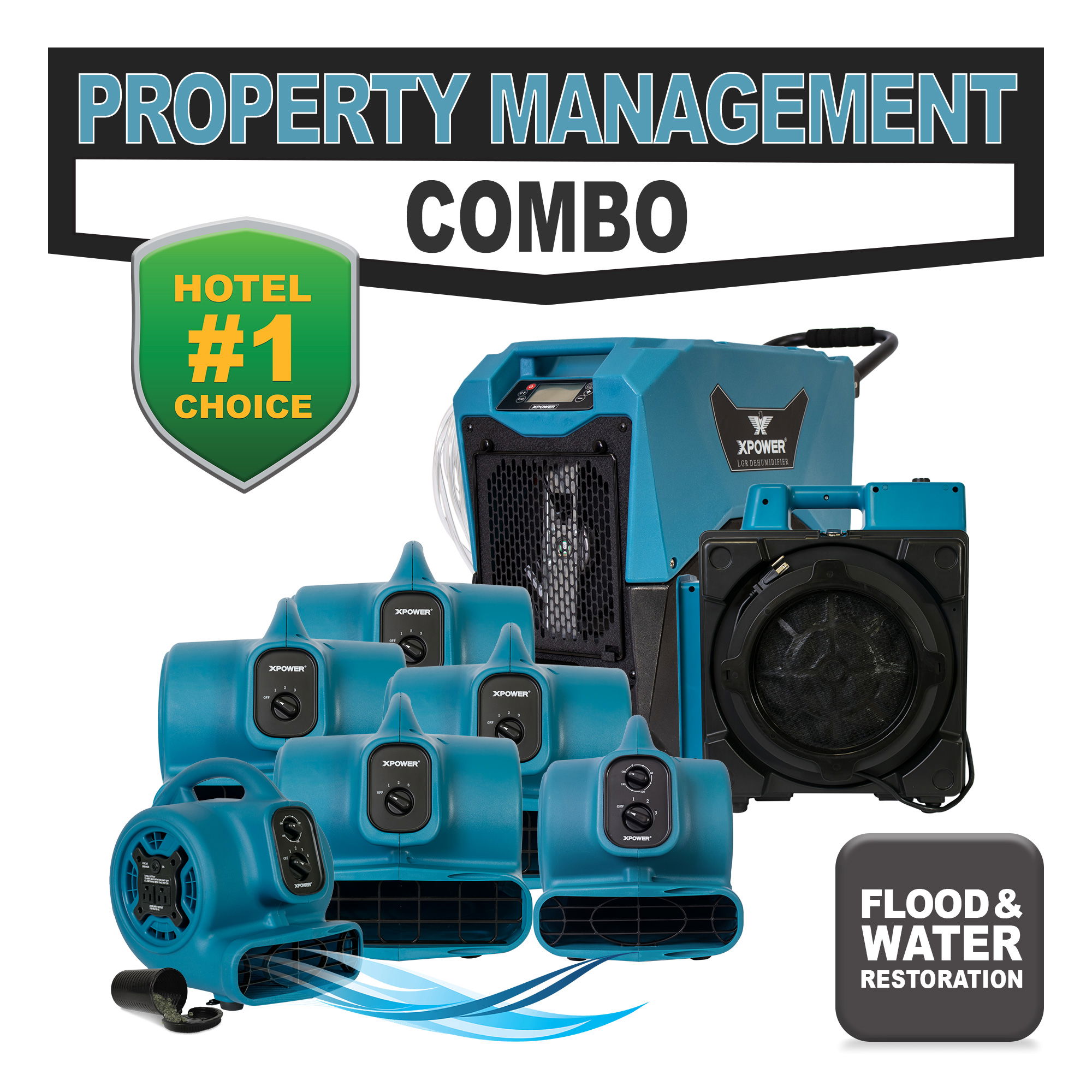
Way 3: placement and airflow patterns prevent stalls
Placement decides whether airflow reaches wet surfaces or just circulates in place. Start by mapping the wettest materials and placing the unit to push air across them rather than into a wall. For larger zones, commercial air movers are useful because they sustain higher velocity across long paths, but they still need clear intakes and unobstructed exhaust. In small rooms, one unit can create a loop if the path is short, so shift the angle until you see air travel across the entire surface.
For tight areas, an air mover for water damage can be angled low to sweep moisture out from under baseboards or cabinets. Keep cords off wet floors and maintain clear walk paths to avoid trips. Use simple indicators like tape or dust movement to confirm airflow direction, then adjust to eliminate dead zones.
Staging equipment for rooms, power, and access
Drying plans should be staged by room size and moisture load, not by a fixed count of units. Begin with a zone map, then allocate restoration drying equipment based on cubic footage and material type. In mixed losses, split the site into smaller areas so readings are easier to track and adjustments are less disruptive. This staging approach keeps water damage equipment focused where it is needed most and prevents unnecessary power draw in dry rooms.
On larger losses, add power planning early. In these cases, flood restoration equipment often requires dedicated circuits, so verify load limits and map cord routes before startup. Keep drainage clear, label cords, and leave access paths so crews can take daily readings without moving gear. A staged plan saves time and avoids shutdowns caused by overloaded circuits.
Coordinate airflow with humidity control
Airflow alone cannot finish the job if humidity remains high. As moisture is lifted from surfaces, the air must be able to accept it, which is why humidity control and temperature management matter. Use dehumidifiers sized for the zone so evaporation continues instead of stalling once the air saturates. If the space is cool, moderate heat can raise vapor pressure and speed release from materials, but avoid overheating sensitive finishes. Keep doors and vents controlled so the conditioned air stays inside the drying zone.
Coordinate the sequence of extraction, airflow, and humidity control so each step supports the next. Start with removal of bulk water, then establish temperature and humidity targets before the drying cycle. Use hygrometers and moisture maps to confirm that the air can hold more moisture. If RH climbs, increase dehumidification or reduce the zone so targets remain steady. When heat is added, monitor for rapid drying that can cause surface checking or adhesive failure. Keep equipment spacing even so one corner does not dry faster than another. Document target RH and temperature ranges so every shift maintains the same plan. Limit window openings and unplanned ventilation that can spike humidity. Recheck readings after each equipment move so adjustments are based on data, not guesswork. Consistent targets reduce shrink and swelling issues and prevent uneven dry patterns that cause callbacks.
Monitor progress and keep sites safe
Progress tracking keeps the job on schedule and protects the drying record. Log temperature, humidity, and material readings at the same time each day so trends are clear. During checks, restoration air movers should be inspected for blocked intakes, loose plugs, and unstable stands before each shift. When readings plateau, adjust airflow paths or reduce the drying zone instead of running longer with no improvement.
Safety checks matter as much as speed. Keep cords secured, use GFCI outlets where required, and confirm that airflow does not push dust into occupied areas. If the site is shared with occupants, use barriers and signage so traffic does not disrupt the setup. Clear records and safe placement reduce callbacks and protect crew time.
Conclusion
Fast drying depends on controlled airflow, not guesswork. When air movers are placed with intent and paired with proper monitoring, moisture leaves materials faster and crews spend less time chasing wet pockets. Clear zone planning, consistent readings, and timely equipment adjustments lead to shorter jobs, better documentation, and fewer surprises for clients.
If you need help selecting the right setup for your next project, contact NCBC Equipment for guidance on unit selection, layout planning, and safe deployment.
FAQ
How many air movers are needed for a small room?
Start with enough units to keep air moving across wet surfaces. Adjust based on readings and airflow paths.
Where should units be aimed during drying?
Aim them across wet materials, not directly into walls. This keeps airflow sweeping moisture into the room air.
What should crews monitor while equipment runs?
Check temperature, humidity, and material moisture daily. Reposition equipment if readings plateau.