3 reasons a HEPA air scrubber improves air quality on job sites
Dust, aerosols, and odors spread quickly during restoration and renovation work. A HEPA air scrubber captures fine particles and helps crews maintain safer breathing conditions while they work. This article explains three practical reasons these units improve job site air quality and how to position them for the best results. You will learn how filtration supports containment, how airflow choices affect capture rates, and what maintenance keeps filters effective. The guide also notes when to scale equipment for larger spaces and how to document air quality improvements for clients. With a clear plan, teams can keep work moving without compromising indoor air safety.
Reason 1: HEPA air scrubber protects breathing zones
Filtration is only effective when air passes through it. A HEPA air scrubber draws in contaminated air and captures fine particles, including dust and aerosolized debris created during demolition or drying. This lowers the concentration of airborne irritants so crews can work longer with less exposure. It also supports containment zones by keeping airborne particles from drifting into clean areas. Fine particles can stay suspended for hours, so continuous capture is important during long shifts. A staged filter setup with a prefilter and main filter keeps airflow consistent and extends service intervals. HEPA media captures very small particles that standard shop filters miss, which is important during sanding, cutting, or demolition work.
To get the most benefit, place the unit so it pulls air across the work zone instead of short cycling from a nearby wall. Keep doors and barriers controlled, and avoid blocking the intake. Proper placement lets the scrubber maintain steady air exchanges and deliver consistent capture rates. Use a strip of tape to confirm airflow direction during setup so intake flow matches the work zone.
Reason 2: cleaner air keeps crews and occupants safer
Here are three practical reasons crews prioritize this equipment during busy projects:
- It reduces airborne dust and odor so water damage cleaning can continue without forcing crews to leave the space.
- It helps control cross contamination by pulling particles toward the filtration unit instead of letting them spread.
- It improves comfort for occupants or adjacent tenants when work must continue nearby.
These benefits make the job site safer and keep workflows steady. A HEPA air scrubber also reduces cleanup time at the end of the day. Cleaner air limits dust settling on tools and surfaces. It also helps meet site rules that require clean air during occupied operations, especially in schools or clinics. It can also reduce odor complaints when work occurs near occupied areas.
Reason 3: pairing filtration with airflow and containment
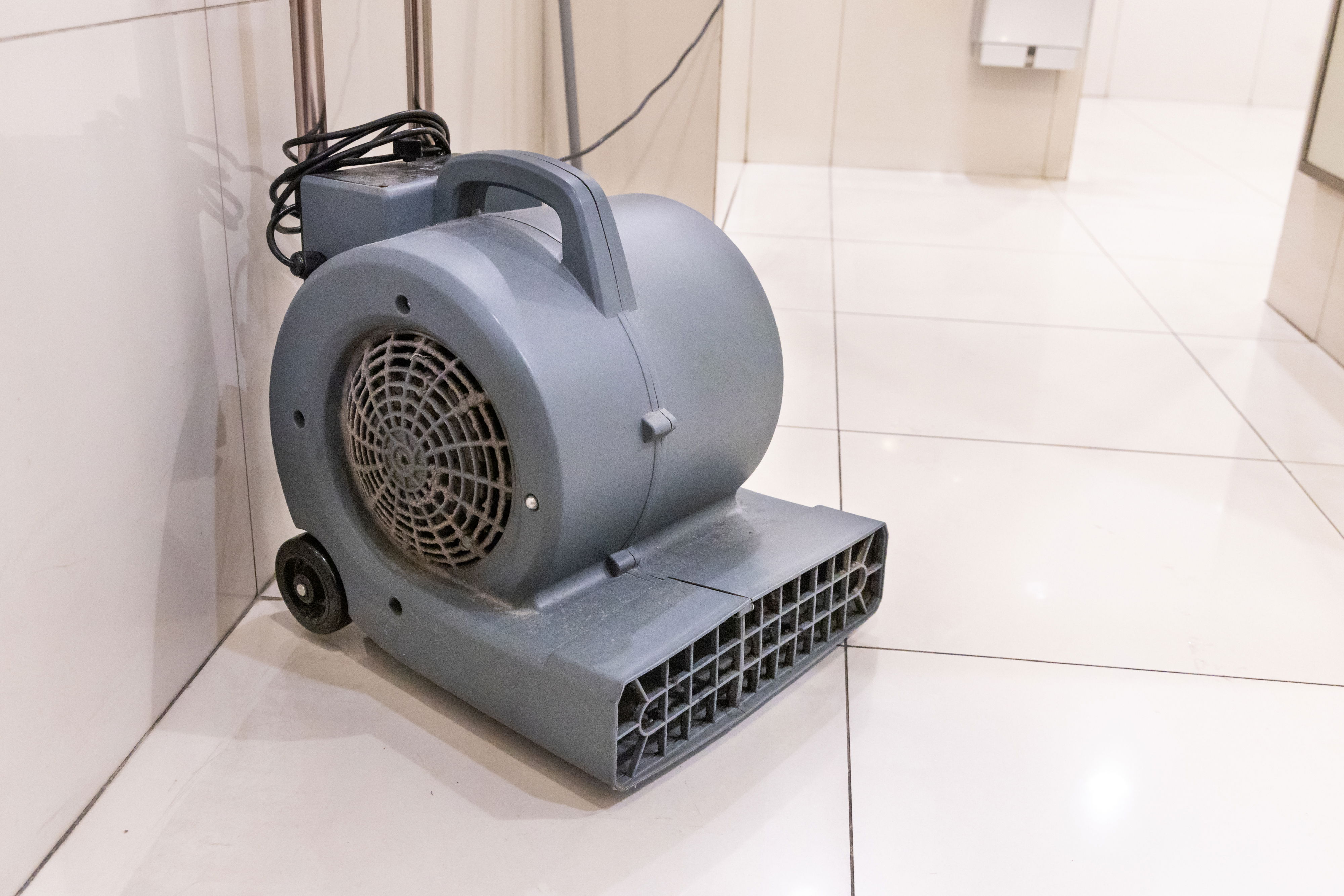
Filtration works best when airflow supports it. A set of commercial air movers can direct air across the work area and push contaminants toward the scrubber intake. Use restoration air movers so they do not blow dust directly into clean zones or overwhelm the scrubber with turbulence. Use a circular airflow pattern that guides air toward the unit and avoids dead spots. Seal return vents and use door flaps so airflow remains inside the work zone. A simple smoke test can confirm that the flow direction is correct.
Keep the scrubber intake clear and avoid placing it behind large objects where airflow stalls. When airflow is balanced, capture efficiency increases and filters load more evenly, which extends service life. Adjust fan speeds if turbulence causes dust to lift from floors. Position units so intake air does not short circuit from an open window or door.
Scale equipment for complex job sites
Large spaces or multi room losses often need more than one unit. In larger zones, commercial air scrubbers provide higher airflow rates and longer filter runs for projects, but they should still be staged to cover the full volume. When the rest of the water damage equipment is staged in zones, place filtration in the same zones so each area has consistent air exchanges. This reduces the risk of particle buildup in adjacent rooms. Plan for backup power if work must continue overnight. Rotate units to cover hallways and shared corridors when access is limited.
If a site includes open stairwells or tall ceilings, consider multiple placements at different heights. The goal is to keep clean air moving through the work zone, not just at the floor level. Monitor noise levels and adjust placement if occupants or workers need a quieter path of travel.
Filter care and daily monitoring
Filter care determines long term performance. Check prefilters daily, replace them as they load with dust, and monitor pressure drops that signal a clogged filter. A HEPA air scrubber running with a loaded filter can lose airflow and reduce capture efficiency. Keep a log of filter changes, especially when the job involves mold remediation equipment or heavy demolition debris. Seal used filters in bags to prevent re release. Check gaskets and latches so air does not bypass the filter.
Consistent maintenance protects air quality and reduces wear on the motor. It also helps crews prove that filtration was active throughout the project, which supports client confidence. Keep spare filters on site so the team can respond quickly when loading increases.
Document air quality improvements
Clear communication builds trust on active sites. Explain where units are placed, what the airflow path is, and how filters are maintained so clients understand the plan. A HEPA air scrubber can be paired with simple documentation, such as daily photos of filter changes and short notes about readings or odor conditions. These notes help property owners see progress and reduce complaints during the work.
If the project is large, provide a short summary at the end that explains the filtration approach, the zones covered, and the maintenance steps taken. This handoff supports warranties and helps future contractors understand the site history. It also gives tenants confidence that the air quality was managed throughout the job. Include contact details for follow up questions and note where filters were disposed.
Conclusion
Clean air is not a luxury on active job sites. A HEPA air scrubber reduces airborne particles, supports containment, and keeps crews productive when conditions are dusty or humid. When you pair proper filtration with balanced airflow and regular filter checks, the work zone stays safer and more comfortable. Regular reviews of airflow and filter status keep the plan aligned with site conditions. Share placement notes with the client and store filter change logs with job photos. These small details support audits and help future teams maintain the same standard. Consistency matters when projects are inspected. That keeps teams aligned daily. If you are planning a restoration or renovation project, choose equipment sized for the space and monitor performance daily. For help selecting the right filtration setup, contact NCBC Equipment for guidance on models and placement.
FAQ
Where should a HEPA air scrubber be placed in a work zone?
Place it to pull air across the contamination area toward the intake. Avoid corners where air short cycles.
How often should filters be checked?
Check prefilters daily and replace them when loaded. A clogged filter reduces airflow and capture.
Do filtration logs matter for closeout?
Yes, notes about placement and filter changes support the final report. They also help crews repeat the setup.