7 reasons an industrial dehumidifier is essential for restoration jobs
Moisture does not wait after a flood, leak, or burst pipe. When surfaces stay wet, damage spreads quickly, which is why an industrial dehumidifier is the backbone of professional drying. This article explains the practical reasons restoration teams depend on these units and how they protect materials, timelines, and budgets. You will learn what capacity and controls actually mean, how placement affects results, and when to scale the setup. The guide also covers monitoring and maintenance steps that keep equipment reliable during long shifts. If you manage restoration projects, a clear drying strategy limits secondary damage and helps crews finish on schedule with consistent documentation. It also clarifies when to adjust temperature, how to drain safely, and why measurement matters for insurer reporting.
Reason 1: industrial dehumidifier sets the restoration baseline
An industrial dehumidifier does more than pull moisture from the air. It creates controlled conditions that let wet drywall, wood, and carpet release moisture at a predictable rate, which protects structure and finish materials. In restoration work, that predictability is critical because teams must document progress and prevent secondary damage. A professional dehumidifier keeps humidity in a target range so meters show steady improvement instead of spikes that cause swelling or cupping. It also lowers the window in which microbial growth can begin because surfaces dry before moisture migrates deeper. That reduces odor complaints and lowers the chance of costly tear out work later.
The baseline approach is to establish a drying zone, measure ambient conditions, and select equipment that can hold those targets over time. When conditions shift, the plan can change without restarting the whole project. Consistent readings help communicate status to adjusters and property owners. This stability is why the unit sits at the center of professional drying plans rather than being an optional add-on.
Reason 2: reliable output protects materials and timelines
Crews rely on industrial dehumidifier performance because it solves multiple field problems at once. While many dehumidifiers can reduce moisture, job sites demand consistent output and rugged components. The following reasons show why the right unit supports faster, safer work:
- It removes moisture from dense materials so flooring and framing dry through, not just on the surface.
- It stabilizes humidity so readings remain consistent for documentation and insurer reporting.
- A commercial dehumidifier can run continuously without overheating during long shifts.
- An LGR dehumidifier can pull moisture even when air is already relatively dry.
- It limits odor and discomfort for occupants and workers in shared spaces.
- It helps crews contain drying zones so energy use stays focused.
- It reduces the chance of hidden moisture that triggers callbacks.
These benefits add up to faster completion and fewer disputes about dryness targets.
Reason 3: capacity and performance signals prevent stalls
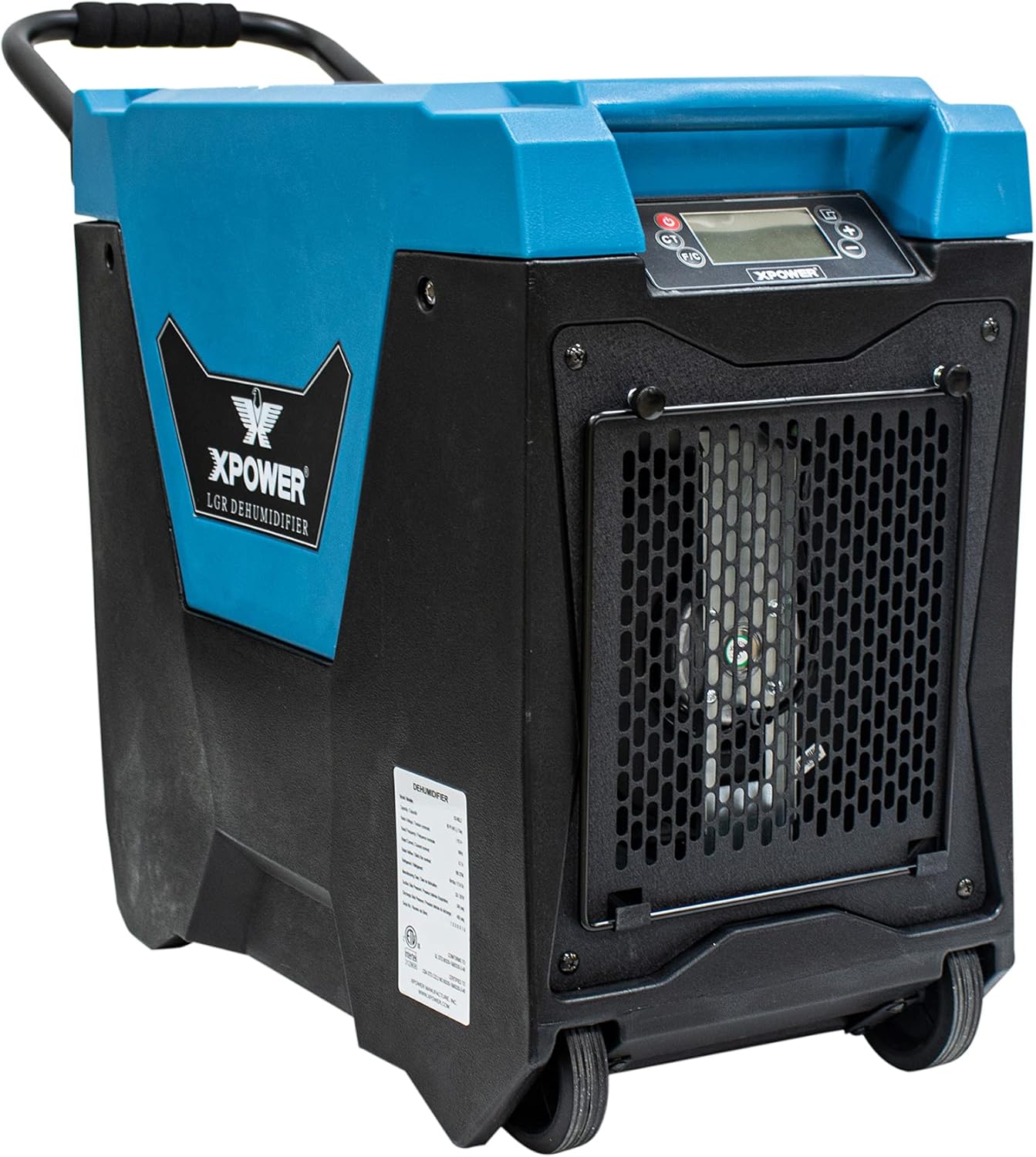
Capacity is not only about pints per day. Crews watch how a unit manages grains per pound, airflow rate, and energy draw as the job progresses. A large capacity dehumidifier is useful for open areas, but it must be matched to temperature and air exchange or it will short cycle. A high capacity dehumidifier with adjustable controls can be tuned as the site dries so it does not over dry materials or waste power. For severe loss jobs, a water damage restoration dehumidifier provides stronger moisture extraction and lower final humidity, which shortens the overall drying window.
Look for clear control panels, simple drainage options, and built in sensors that track performance. A good unit should allow steady results even when the weather changes. The goal is to keep moisture removal consistent across the entire drying zone, not just the air near the machine. This is the difference between a basic rental and an industrial dehumidifier built for restoration.
Reason 4: placement and airflow pairing keeps zones even
Placement is as important as capacity. Set the unit near the center of the drying zone and keep doors or barriers controlled so moisture does not drift into untreated areas. Pair the machine with air movement units that circulate moisture off surfaces and prevent dead zones near walls. Use direct air paths across wet materials, but avoid blasting fragile finishes. For large rooms, stagger equipment to prevent short loops of dry air that never reach damp corners.
An industrial dehumidifier performs best when drainage is reliable and the intake remains clear. Keep hoses downhill and protected so they do not kink. If temperatures drop, add safe heat to keep evaporation steady, but avoid pushing heat so high that materials dry too quickly. The goal is even drying across layers, which reduces warping and preserves coatings.
Reason 5: maintenance and safety support long shifts
Long projects demand steady maintenance. Empty or pump out condensate often, clean filters on schedule, and keep the intake free of dust. Verify power requirements before plugging in to avoid overloading circuits, and use cord protection in wet areas. Listen for unusual vibration or fan noise, because it can indicate a blocked coil or loose fastener. Keep a log of readings so the team can track progress and adjust the drying plan without guesswork.
If equipment is moved between rooms, recheck hose routes and confirm that humidity targets still match the new volume. A well maintained industrial dehumidifier can run for days, but only if the site stays safe and the airflow remains unobstructed. Consistent care keeps the machine reliable and protects the job timeline.
Reason 6–7: documentation and proper decommissioning
Clear documentation protects the project and keeps expectations aligned. Record daily readings, equipment placement, and any adjustments so the drying story is easy to follow. Photos of meter readings and notes about ambient conditions help explain why the plan changed or why additional time was required. These records also support billing accuracy and reduce disputes after the work is complete. Share a short summary with the client so they understand progress and next steps. This step avoids misunderstandings later.
When targets are met, decommission the drying zone in stages. Remove equipment gradually, recheck readings after a few hours, and confirm that moisture levels remain stable. If a room shows rebound, return air circulation before closing out the job. A final walkthrough that explains what was done, what materials were affected, and what to watch for helps close the project with confidence.
Conclusion
Restoration success depends on controlled drying, not on guesswork. The right industrial dehumidifier creates predictable conditions, keeps documentation clear, and reduces the risk of hidden moisture. When you pair proper equipment with smart placement and regular monitoring, jobs finish faster and with fewer callbacks. If you are planning a restoration project, choose equipment that matches the site volume, temperature range, and drying targets, then maintain it through the entire job. For guidance on selecting the right setup, contact NCBC Equipment and ask about models built for professional drying.
FAQ
When should an industrial dehumidifier be introduced on a job?
Introduce it after bulk water removal and containment setup. Early use stabilizes humidity and starts controlled drying right away.
How do crews size the unit for a room?
They measure cubic footage, temperature, and moisture load. Capacity is matched to drying targets and adjusted as conditions change.
What maintenance keeps the equipment running safely?
Check filters, drainage, and power connections each shift. Log readings and address alarms before output drops.