7 benefits commercial carpet cleaning machines offer professionals
Results matter when work must be repeatable across large areas. Many teams rely on commercial carpet cleaning machines to deliver the power, recovery, and consistency needed for busy schedules and demanding fabrics. This article outlines seven benefits that professionals see when they upgrade their equipment and maintain it correctly. You will learn how heat, suction, and agitation interact, what specifications affect soil removal, and how to reduce downtime between jobs. The guide also explains how to pair machines with tools and chemicals to protect fibers and speed dry times. With a clear process, crews deliver uniform outcomes, reduce callbacks, and keep production costs in check.
Benefit 1: commercial carpet cleaning machines deliver consistent results
Consistency starts with balanced performance across heat, agitation, and recovery. When commercial carpet cleaning equipment is sized for the job, it keeps solution temperature steady and lifts soil without saturating backing. Stable performance means technicians can repeat a proven process across multiple rooms and still meet drying targets. It also reduces operator fatigue because the machine does more of the heavy lifting. Balanced extraction reduces rewetting and prevents rapid resoiling.
Consistency is also about predictable maintenance. Daily filter checks, clean recovery tanks, and steady vacuum seals keep output stable across long shifts. When the machine performs the same way at every job, crews can estimate time, chemical use, and drying windows with confidence. Standardized setup notes help new technicians match the same settings. Document hose length, tool choice, and pass speed so results stay uniform across shifts. Consistent prep also simplifies quality control inspections.
Benefit 2: measurable gains professionals rely on
For most crews, commercial carpet cleaning machines support dependable production, which is why many teams invest in them early.
These are the performance gains crews notice most often in day-to-day work:
- Strong recovery reduces residue left in the pile.
- Stable heat improves emulsification and soil release.
- Adjustable pressure protects delicate fibers.
- Large tanks reduce refill stops during big jobs.
- Consistent agitation improves appearance after drying.
- Reliable controls reduce operator error.
- Rugged frames hold up to daily transport.
Together, these gains shorten job cycles and reduce complaints about damp carpets or uneven results. A repeatable process also simplifies onboarding, since technicians can follow the same standards from job to job. Clear performance benchmarks make pricing easier and help forecast daily output. Higher productivity reduces overtime on multi-day projects and keeps quality consistent during busy weeks.
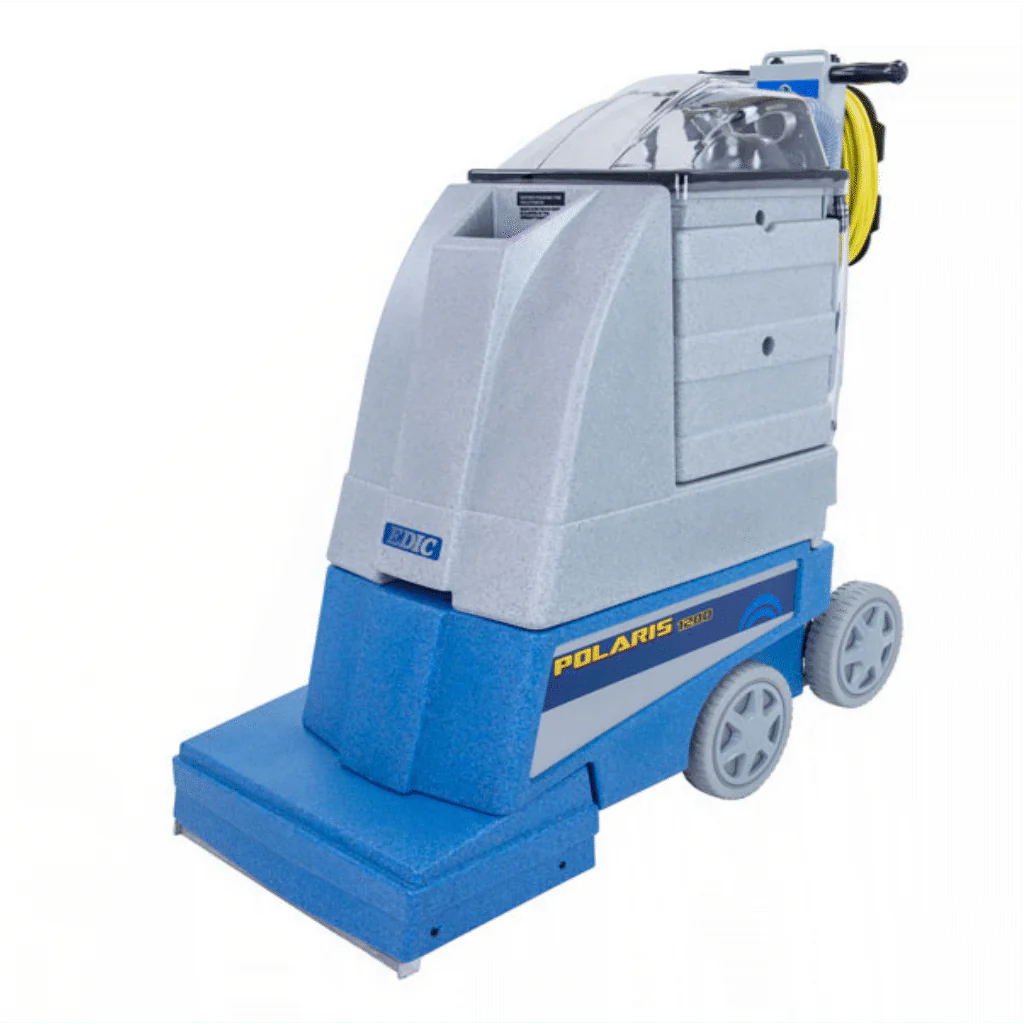
Benefit 3: heat, pressure, and recovery improve outcomes
Performance hinges on how the unit handles heat, pressure, and recovery in real conditions. When commercial carpet cleaning machines maintain stable solution temperature, they cut through oily soils without repeated passes. Compare pump ratings, vacuum lift, and airflow together rather than in isolation. In daily work, industrial carpet cleaning equipment often includes stronger motors and improved seals, which helps hold performance even when hoses are long or the job is large. Track solution temperature at the wand, not just at the tank, to confirm heat at the fiber. Use shorter hose runs when possible to protect vacuum lift.
Recovery speed matters for drying time. High airflow pulls moisture from the carpet base and reduces the need for extra fans. Match the machine to the expected soil load so you do not rely on extra passes that slow the schedule. If jobs vary, keep a quick checklist so adjustments are made before cleaning starts. Track CFM and water lift during maintenance so declines are caught early.
Benefit 4: tooling and workflow improve consistency
Workflow improves when tools and chemistry match the machine. In daily work, commercial carpet cleaning machines perform best when the wand, jet size, and pressure are tuned to the fiber type. Use carpet cleaning chemicals designed for extraction so soils suspend and rinse clean without leaving sticky residue. Keep measuring tools on the truck so mixes stay consistent across jobs. Pre spray dwell time and consistent brushing improve soil release without extra pressure. Standardize dilution ratios to avoid residue.
Train operators to move at a steady pace and overlap passes by a few inches. Consistent technique reduces streaking and keeps the recovery tank from flooding. When the workflow is predictable, a two person crew can divide tasks and finish larger areas on schedule. Team roles also reduce wasted motion on large sites. A simple pre inspection checklist keeps crews aligned on fiber type and goals.
Benefit 5: serviceability lowers long term costs
Downtime is expensive, so serviceability should be part of the buying decision. To reduce downtime, commercial carpet cleaning machines with easy access panels make it faster to replace belts, clean filters, and check pumps between jobs. Look for commercial carpet cleaner equipment with widely available parts and clear maintenance schedules so small issues do not become lost revenue. Stock common wear items like belts and gaskets so repairs do not stop a job. Schedule service during slower weeks to avoid cancellations.
Track maintenance hours and keep a simple log of repairs. Preventive care lowers lifetime cost and reduces the risk of water leaks that can damage client property. A small investment in routine checks saves time and protects margins. Consistent logs also support warranty claims and resale value. Keep a basic parts kit in the vehicle so minor leaks are resolved on site. Teach crews how to spot early pump noise or vibration before it becomes a failure.
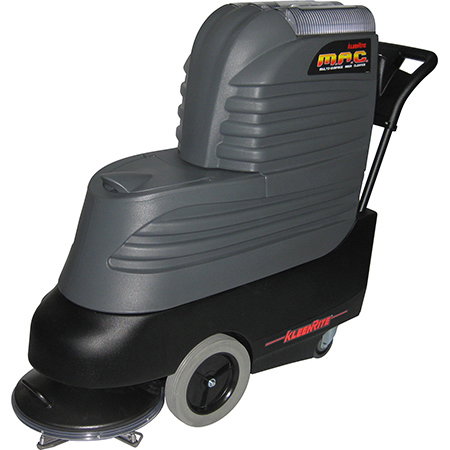
Benefits 6-7: pairing machines with extractors and accessories
Some jobs require more versatility than a single setup can provide. A commercial carpet extractor can handle stairs, tight corners, or spot work while the main unit focuses on open areas. Pairing tools lets crews finish details without dragging large equipment into small spaces. Stock the truck with carpet cleaning accessories like stair tools, hand wands, and hose cuffs so technicians can adapt quickly on site. Keep hand tools cleaned and labeled so crews can grab them without searching. A compact tool bag on the machine reduces trips back to the truck. Stair work benefits from smaller heads that reduce over wetting.
Accessory planning also improves safety because crews are not forced to improvise fittings or stretch hoses. Keep a checklist so each job starts with the same kit, then replace worn parts before they fail in the field. Regularly inspect cuffs and valves to avoid leaks that can damage floors. Label tool storage so replacements are ordered before they run out.
Conclusion
For many operations, commercial carpet cleaning machines are a core investment for teams that need repeatable results and predictable schedules. When performance specs match the job size, drying times drop and appearance improves. Use consistent workflows, maintain the machine on a schedule, and pair it with the right tools to protect fibers and speed production. If you want help selecting equipment for your operation, contact NCBC Equipment and ask for guidance based on your job mix, transport needs, and service goals.
FAQ
When should crews use commercial carpet cleaning machines instead of smaller units?
Use them for large areas or heavy soil loads that need consistent recovery. They keep pressure and heat steady for long runs.
Do these machines require daily maintenance?
Yes, tanks and filters should be cleaned after each shift. Routine checks prevent odor and loss of suction.
How does strong recovery affect drying time?
Strong recovery removes more moisture per pass. That reduces dry time and lowers the risk of rewetting.