5 reasons commercial janitorial supplies matter for daily operations
Daily cleaning depends on having the right supplies ready before the shift begins. For large facilities, commercial janitorial supplies keep teams stocked with consumables that drive hygiene, safety, and consistent appearance across buildings. This article explains five reasons these supplies matter for daily operations and how managers can plan inventory with fewer surprises. You will learn how usage tracking, storage, and equipment alignment reduce downtime. The guide also covers training and quality checks that prevent rework and complaints. With clear standards and a simple restock routine, teams keep schedules tight and buildings looking consistent. Managers can also use these routines to forecast demand and reduce emergency purchases. Short weekly reviews keep leaders aware of slow moving items and allow quick redistribution between sites.
Reason 1: commercial janitorial supplies start with planning
Consistency starts with supplies that match the task. For consistency, commercial janitorial supplies provide the consumables needed for restrooms, floors, and high touch areas so teams do not improvise with the wrong product. Standardized dispensers and refill packs keep dosing predictable and prevent waste. When supplies are matched to surfaces, cleaning is faster and the risk of damage drops. This approach also reduces cross contamination by keeping tools and products tied to specific zones.
Supply standards also improve inspections. When every site uses the same refills and labels, supervisors can spot issues quickly. Clear stocking levels reduce last minute runs and keep the crew focused on service quality. Well marked storage maps make it easy for new staff to locate items without delays. A simple checklist for each area ensures nothing is skipped during a busy shift.
Support: five reasons at a glance
For facility managers, commercial janitorial supplies matter for daily operations because they protect workflow and safety. The five biggest impacts are:
- They keep restrooms stocked and reduce customer complaints.
- They prevent delays caused by last minute purchasing.
- They standardize results across multiple facilities.
- They support safety compliance with labeled and approved products.
- They reduce waste by controlling usage and dosing.
These benefits show up in fewer missed tasks and faster shift handoffs. Crews spend less time searching for materials and more time completing scheduled work. They also simplify budgeting because usage patterns are easier to forecast. When supplies are reliable, supervisors can focus on training instead of emergencies. Reliable supply flow also supports faster onboarding of new staff.
Reason 2: balance consumables with equipment needs
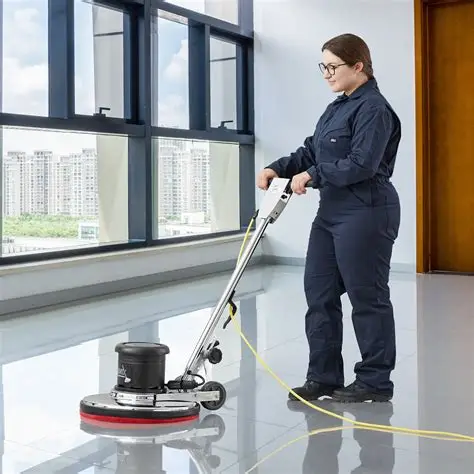
Consumables must match the tools used on site. When teams run commercial janitorial equipment, the pads, liners, and refills should fit the machine specifications. A mismatch can cause leaks or poor performance. Color coded bins for pads and liners reduce mix ups between hard floors and carpets. Staging carts with daily refills cuts setup time at the start of each shift. To avoid shortages, commercial janitorial supplies should be staged near the equipment they support. The same rule applies to janitorial equipment like carts, mop systems, and dispensers that rely on standardized sizes.
Floor care often overlaps with deep cleaning. Sites that schedule periodic extraction should align supplies with commercial carpet cleaning equipment so prespray, rinse agents, and filters are always available. This coordination prevents service delays and keeps equipment running at peak efficiency. Keep spare parts and filters on site so equipment does not idle during a shift.
Reason 3: stocking and storage prevent shortages
Inventory works best when consumption is tracked by zone. Use minimum and maximum levels for each closet and review usage weekly. This keeps commercial janitorial supplies available without over buying. Rotate stock so older items are used first and labels remain readable. Digital logs or simple tally sheets help confirm actual usage versus expected usage. When counts drift, adjust par levels instead of ordering ad hoc.
Storage should keep products dry, upright, and accessible. Shelving that supports heavy containers reduces spills and makes audits faster. Keep kits organized by task so technicians can load carts quickly. If the facility owns commercial carpet cleaner equipment, store compatible detergents and filters in the same area to avoid delays. Separate spill response kits keep emergency cleanup from draining core supplies. Label carts by floor to prevent extra trips back to storage.
Reason 4: usage tracking protects service levels
Usage tracking turns supply rooms into predictable systems. Record how many refills are used per area each week, then adjust par levels based on peak demand. Simple barcodes or checklists help supervisors see which floors consume more product. Track paper goods separately from chemicals so budgets reflect true consumption. When data is consistent, managers can shift stock between buildings before shortages hit. This also reveals which tasks generate the most waste and where training is needed. Compare usage to square footage so sites are evaluated fairly. Seasonal spikes should trigger temporary adjustments rather than permanent over ordering.
Service level checks keep quality steady. Use short inspections at the end of each shift to confirm that restrooms, entry mats, and high touch areas meet the standard. Document missed items and review them during daily huddles. If a site has a service level agreement, align the checklist to those metrics so the team knows what matters most. Rotate inspectors so feedback stays consistent and unbiased. Use photos to document improvements over time. Follow up on repeated misses to adjust staffing or shift timing. Small corrections prevent problems from becoming habits. Timely feedback keeps teams engaged. This approach reduces complaints and keeps facilities managers confident in the program.
Reason 5: training and vendor coordination keep standards
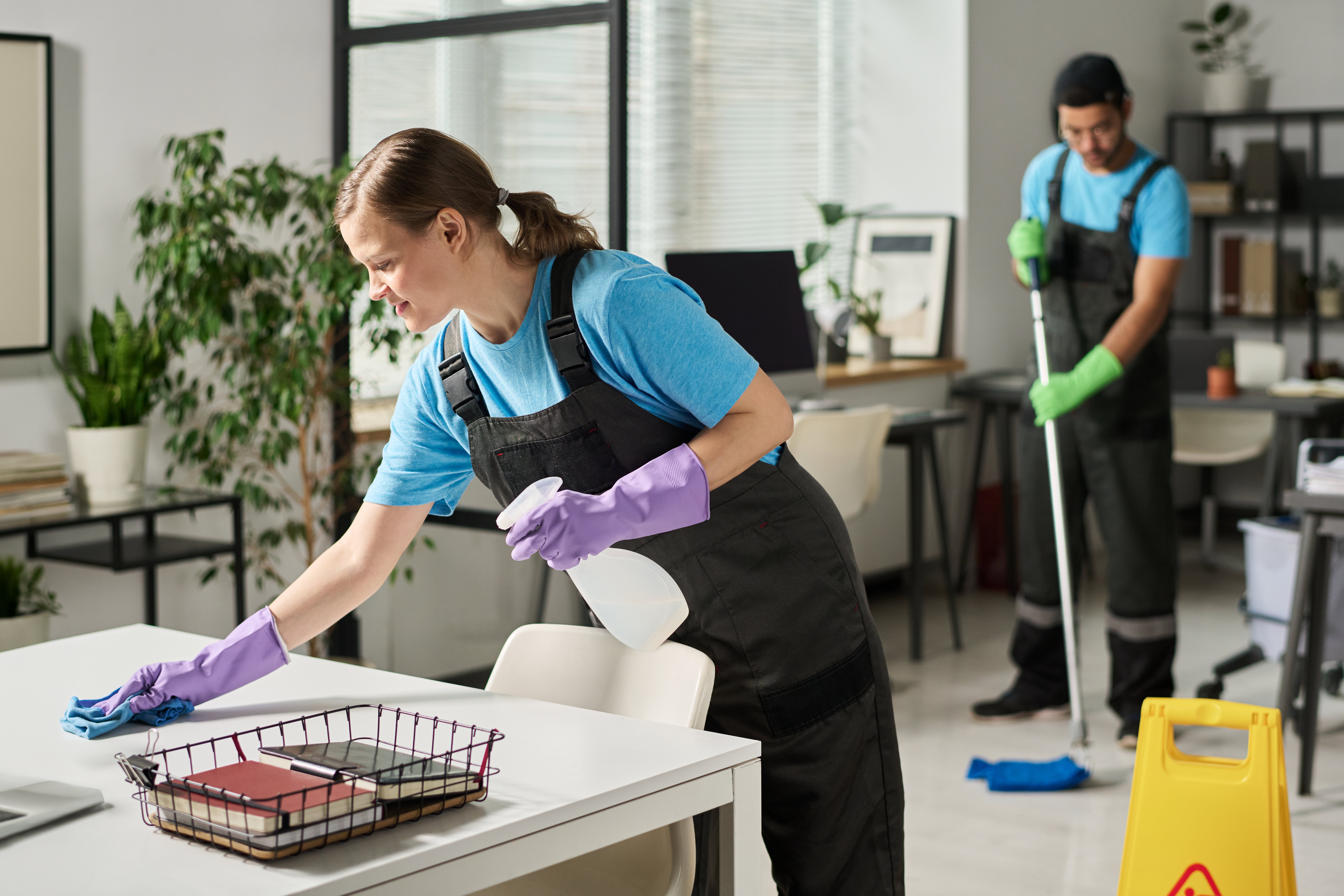
Training turns supply plans into consistent performance. Teach crews where products are stored and how to measure usage. Use professional cleaning chemicals only as labeled and keep safety data sheets in the supply room. Clear signage reduces mix ups and improves compliance. Short refresher sessions reinforce correct dosing and reduce waste. Pair new hires with a lead for their first week so habits are set early.
Vendor coordination helps keep pricing stable and deliveries reliable. Agree on standard product lists, then review usage trends each quarter. Keep a small reserve of carpet cleaning accessories so specialized tasks do not interrupt routine service. Consistent vendor communication prevents shortages during seasonal spikes. Review vendor lead times before holidays so deliveries stay on schedule. Quarterly reviews help align products with changing occupancy patterns.
Conclusion
Reliable operations depend on having the right products in place every day. When commercial janitorial supplies are planned, tracked, and aligned with equipment needs, crews avoid downtime and deliver consistent results across every area. Build a simple restock schedule, train staff on usage standards, and review inventory data each month. Regular walk throughs help confirm that storage plans still match actual usage. Clear metrics and steady audits make it easier to justify budget requests. If you want help selecting products or building a supply program, contact NCBC Equipment to match supplies with your facility and service goals.
FAQ
How should commercial janitorial supplies be tracked?
Use a simple inventory log and update it weekly. This prevents outages and over ordering.
What is the best storage method for supplies?
Store items by frequency of use and keep heavy boxes low. Clear labels make restocking faster.
How often should supplies be reviewed?
Review usage monthly or after large events. Adjust order quantities based on actual consumption.